
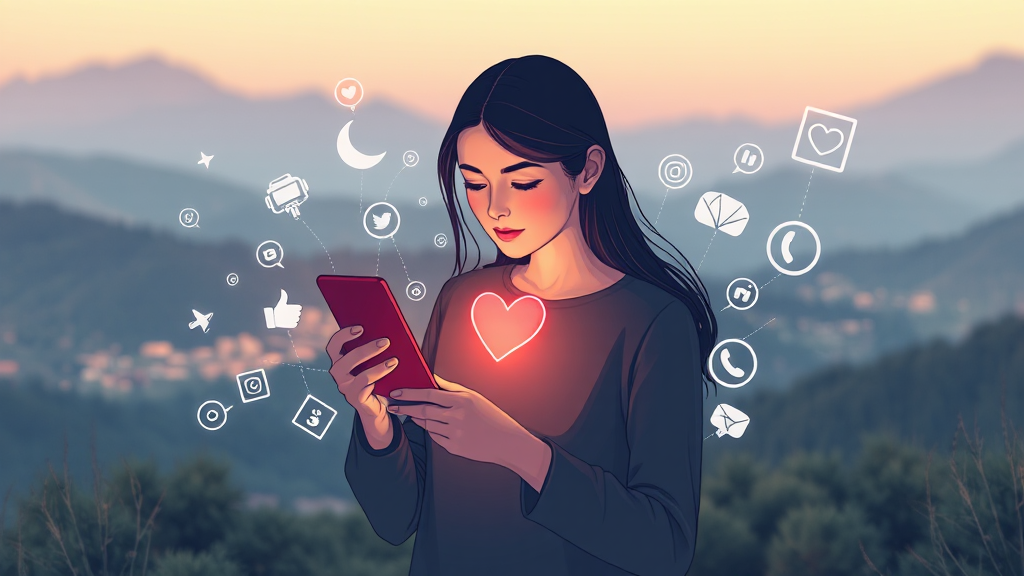
Crush On: Understanding the Modern Digital Connection
In today’s hyper-connected world, the way we form attractions and build connections has transformed dramatically. The term Crush On encapsulates a new era of digital interaction where technology meets human emotion. Whether it’s through social media, dating apps, or AI-powered companions, having a crush is no longer confined to school hallways or office corridors. It now lives in our pockets, screens, and even in the code of intelligent algorithms. This article explores the multifaceted nature of modern crushes, how they develop, and what they mean for our emotional well-being.
The Evolution of Having a Crush
Traditionally, a crush was a fleeting, often secret admiration for someone—a classmate, a colleague, or a friend. It was characterized by butterflies in the stomach, stolen glances, and sleepless nights. But as technology has evolved, so has the concept. Today, a crush can be on a celebrity you follow on Instagram, a YouTuber whose content you devour, or even an AI chatbot that seems to understand you better than your closest friends. The digital landscape has expanded the possibilities for connection, making it easier to develop feelings for someone—or something—without ever meeting in person.
This shift is not just about convenience; it reflects a deeper change in how we perceive relationships. With the rise of virtual reality, augmented reality, and AI, the boundaries between real and simulated interactions blur. People are forming genuine emotional attachments to digital entities, and this is reshaping our understanding of attraction. The phrase “crush on” has become a verb, an action we take in the digital realm, often with more frequency and intensity than ever before.
The Psychology Behind a Crush
Psychologically, a crush is a powerful emotional state. It involves idealization, where we project our desires onto the object of our affection, often ignoring their flaws. This is why crushes can feel so exhilarating—they are a form of escapism from the mundane realities of life. In the digital age, this idealization is amplified. We see curated versions of people online, their best moments, their most attractive photos, and their most witty tweets. It’s easy to fall for a persona that may not entirely reflect reality.
Moreover, the anonymity and distance provided by digital platforms can lower our inhibitions. We might say things to a crush online that we would never say in person. This can lead to deeper, more intimate conversations, but it can also create unrealistic expectations. When we finally meet in person, the reality may not match the fantasy, leading to disappointment. Yet, this doesn’t diminish the thrill of the chase. The anticipation, the notifications, the late-night texts—these all contribute to the rush of having a crush in the digital age.
Digital Platforms and Crush Dynamics
Social media platforms have become the primary arena for modern crushes. From liking someone’s post to sliding into their DMs, these platforms provide a low-stakes environment to test the waters. The fear of rejection is mitigated by the ability to delete a message or block a user. This has made it easier for introverts and those with social anxiety to express their feelings. However, it also creates a paradox of choice. With endless options, we may find it harder to commit to a single crush, always wondering if someone better is just a swipe away.
Dating apps have taken this to the next level. They use algorithms to match us with potential partners, but they also gamify the experience. The act of swiping right or left triggers a dopamine response, similar to the excitement of a crush. This can be addictive, leading to a cycle of superficial connections. Yet, for many, these apps have been a game-changer, helping them find love in a busy world. The key is to approach them with a healthy mindset, not letting the digital interactions replace genuine human connection.
AI Companions and the Future of Crushes
Perhaps the most intriguing development in the realm of crushes is the rise of AI companions. These are chatbots or virtual assistants designed to simulate human interaction. They can be programmed to be charming, empathetic, and even flirtatious. For some, this provides a safe space to explore their feelings without fear of judgment. For others, it’s a substitute for real relationships, filling a void that might otherwise be empty.
The technology behind these companions is advancing rapidly. Natural language processing and machine learning allow them to understand context, remember past conversations, and even mimic emotional responses. This creates a sense of connection that can feel very real. However, it’s essential to remember that these are programs, not people. They don’t have feelings, and they can’t love you back. But they can help you understand your own desires and practice communication skills. The future may hold even more sophisticated AI that can adapt to our moods and preferences, making the line between real and virtual even thinner.
Navigating Crushes in a Digital World
So, how do we navigate crushes in this digital landscape? The first step is self-awareness. Recognize that having a crush is a normal, healthy part of life. It’s okay to feel excited about someone, whether they are a real person or a digital creation. But it’s also important to ground yourself in reality. Don’t let a digital crush consume your thoughts or prevent you from forming real-world connections.
Communication is another crucial aspect. If you have a crush on a real person, be honest with yourself and, if appropriate, with them. The worst that can happen is rejection, and that’s not the end of the world. If your crush is on an AI, remember that it’s a tool, not a substitute for human interaction. Use it to learn about yourself, but don’t isolate yourself from others. Balance is key.
Healthy Boundaries with Digital Crushes
Establishing boundaries is vital when it comes to digital crushes. This means limiting the time you spend on apps or with AI companions. It also means being mindful of the content you consume. If you find yourself obsessing over a celebrity or an influencer, take a step back and ask yourself why. Are you seeking validation? Escapism? Understanding your motivations can help you address the underlying needs in healthier ways.
Additionally, be cautious about sharing personal information with AI or strangers online. While it may feel safe, you never know who is on the other side of the screen. Protect your privacy and your heart. A crush should be a joyful experience, not a source of anxiety or harm.
Conclusion
In conclusion, the concept of having a crush has evolved significantly in the digital age. It now encompasses everything from a fleeting glance at a stranger to a deep connection with an AI companion. While this evolution brings new opportunities for connection, it also requires us to be more mindful of our emotional health. By understanding the psychology behind crushes, navigating digital platforms wisely, and setting healthy boundaries, we can enjoy the thrill of a crush without losing ourselves. Whether your crush is on a person, a fictional character, or a piece of technology, remember that the most important relationship you have is with yourself. Nurture that, and everything else will fall into place.
Frequently Asked Questions
What does it mean to have a crush on someone?
Having a crush on someone means you have a strong, often temporary attraction to them. This can be based on their appearance, personality, or other qualities. It’s typically characterized by feelings of excitement, nervousness, and a desire to be near that person.
Can you have a crush on an AI?
Yes, it is possible to develop feelings for an AI, especially with the rise of sophisticated chatbots. These programs can simulate empathy and understanding, which can feel very real. However, it’s important to remember that AI does not have consciousness or feelings, and the relationship is one-sided.
How do I get over a crush?
Getting over a crush takes time and self-care. Try to distance yourself from the person or object of your affection, focus on your own interests, and spend time with friends. It can also help to remind yourself of the reasons why it might not work out, and to give yourself permission to feel your emotions without judgment.
Is it normal to have a crush while in a relationship?
Yes, it’s normal to develop crushes even when you’re in a committed relationship. It doesn’t mean you love your partner any less. The key is to acknowledge the feeling, understand where it comes from, and choose to act in a way that respects your relationship. Open communication with your partner can also help.
Readers who are interested in this topic will benefit from exploring multiple perspectives and understanding the nuanced approaches that industry leaders recommend. Taking time to research thoroughly ensures better outcomes and more informed decision-making.
Those looking to gain deeper knowledge in this area should consider following expert analysis, staying updated with the latest developments, and engaging with professional communities where these topics are discussed in detail.
A comprehensive understanding of this subject requires looking at both theoretical foundations and practical applications. By combining study with hands-on experience, learners can develop a well-rounded perspective that serves them well in real-world scenarios.
As the landscape continues to shift and evolve, staying informed about emerging trends and best practices becomes increasingly valuable. This ensures you remain competitive and capable of adapting to new challenges as they arise.
